Compare Local Contractors for Accessibility Modification Projects
Compare local contractors for accessibility modifications to define project scope, verify experience, and establish clear expectations in writing for a successful upgrade.
Accessibility modification contractors handle a range of updates designed to improve safety, mobility, and independence within a property. This work often includes installing ramps, modifying doorways for wheelchair access, widening hallways, adding grab bars, and adjusting bathroom fixtures. The goal is to create a space that accommodates specific needs, whether for aging in place, disability access, or other mobility considerations. Understanding the scope of these modifications helps property owners communicate their requirements clearly and ensures the work aligns with individual accessibility goals.
Defining the scope of an accessibility project is essential for achieving satisfactory results. A well-outlined scope details the specific modifications needed, the areas involved, and any particular features or standards to be met. This clarity helps prevent misunderstandings and ensures that both property owners and contractors have aligned expectations. When scope details are documented in writing, it becomes easier to manage the project, verify that all necessary modifications are included, and make adjustments if needed before work begins.
Property owners seeking accessibility modification services can compare local contractors by reviewing their experience with similar projects, understanding their approach to scope definition, and evaluating how clearly they communicate expectations. It’s helpful to ask potential service providers about their previous work, request references if available, and ensure they provide detailed proposals that outline the work to be performed. By taking these steps, property owners can make informed decisions and select local service providers who are equipped to meet their specific accessibility needs.
Compare local contractors by outlining project priorities, verifying experience, and setting clear expectations in writing.
- Compare Local Contractors - review qualifications and experience to find service providers suited for accessibility modifications.
- Define Project Scope - clearly outline the work needed to ensure all parties understand the requirements.
- Verify Experience and Expertise - confirm that contractors have relevant background in accessibility modifications.
- Document Expectations in Writing - establish detailed agreements to set clear project expectations.
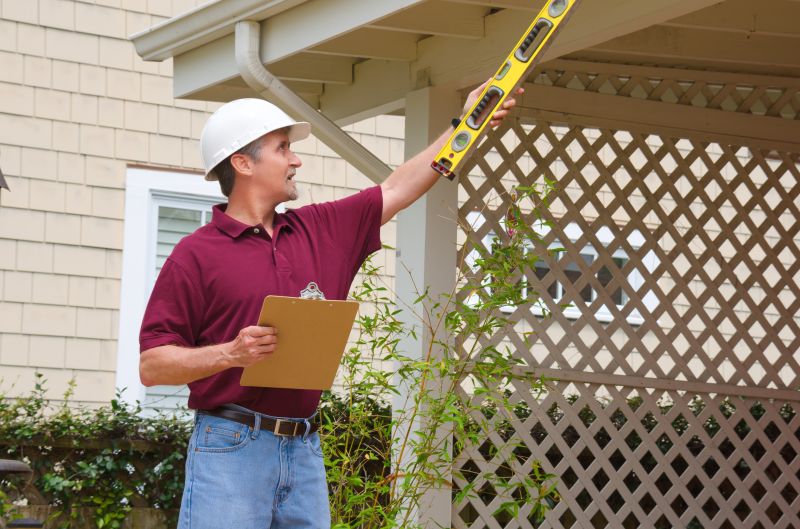
Clearly describe your accessibility modification project first to help compare service providers, define scope, and verify experience.
- Verify experience with accessibility modifications to ensure contractors understand specific requirements. - Look for local service providers who clearly outline the scope of work and capabilities.
- Compare different contractors to evaluate their approaches to accessibility standards and design options. - Ensure each contractor provides detailed project descriptions and proposed solutions.
- Check references or reviews to assess previous experience with similar accessibility projects. - Confirm that contractors have successfully completed comparable modifications in the past.
- Discuss project expectations in writing to establish clear deliverables and responsibilities. - Make sure scope, materials, and any special considerations are documented before work begins.
- Assess how contractors plan to coordinate with other trades or specialists involved in accessibility upgrades. - Determine their ability to work collaboratively and integrate modifications seamlessly.
- Ensure the scope of work includes all necessary modifications to meet accessibility needs without omissions. - Clarify what is included and what might require additional work to avoid misunderstandings.
Use this to compare local contractors, clarify scope, verify experience, and set clear expectations in writing.




Learn how to compare accessibility modification contractors, define scope, verify experience, and set clear expectations.
- Define Scope of Accessibility Modifications - clearly specify the specific modifications needed to improve accessibility within the space.
- Verify Experience of Service Providers - confirm that local contractors have relevant experience with accessibility modifications.
- Assess Qualifications and References - review credentials and request references to evaluate the quality of past work.
- Establish Written Expectations and Scope - document the project scope, deliverables, and responsibilities in a detailed agreement.
- Compare Local Contractors - evaluate multiple service providers based on expertise, reputation, and scope clarity to make informed choices.
When evaluating contractors for accessibility modifications, it is important to consider their experience with similar projects. Inquire about the types of modifications they have completed and whether they have worked on projects comparable in scope and complexity to the work needed. A contractor with a proven track record in accessibility upgrades will be better equipped to handle specific requirements, ensure quality workmanship, and anticipate potential challenges that can arise during the process.
A clear, written scope of work is essential for setting expectations and avoiding misunderstandings. Service providers should be able to provide a detailed description of the tasks they will perform, materials they plan to use, and the standards they aim to meet. Having this information in writing helps ensure all parties are aligned on the project’s objectives and deliverables, making it easier to review and compare different contractors objectively.
Verification basics involve confirming a contractor’s ability to deliver the scope of work as described. This includes checking references or reviews of previous projects similar in nature, and verifying that the contractor has the necessary experience to handle accessibility modifications safely and effectively. It’s also helpful to ask about their process for managing unforeseen issues or changes during the project, which can influence the overall outcome.
When comparing options, focus on how each contractor’s proposed approach aligns with the specific accessibility needs of the home. Review the scope of work, project descriptions, and any supporting documentation to assess their understanding of the requirements. Avoid relying solely on verbal assurances; instead, prioritize written proposals that clearly outline the work, materials, and standards. This approach helps ensure that the chosen service provider can meet the expectations for a successful accessibility modification project.
Ask contractors to provide written scope descriptions to ensure clear, consistent expectations for accessibility modifications.
- Experience and Specialization - What relevant experience and specific expertise do the local contractors have in accessibility modifications?
- Scope of Work - How do contractors define and clarify the scope of accessibility modifications to meet individual needs?
- Comparison Criteria - What factors should be considered when comparing different service providers for accessibility modification projects?
- Work Approach - How do contractors plan and communicate their approach to ensure the scope aligns with expectations?
- Written Agreements - Do contractors provide detailed written descriptions of the scope and services included in the project?
What should I consider when choosing a contractor for accessibility modifications? It's important to compare local contractors based on their experience, reputation, and scope of services. Ensuring clear communication about project details helps set proper expectations and facilitates a smooth process.
How can I verify a contractor’s experience with accessibility projects? You can review their past work, ask for references, or check their portfolio to confirm familiarity with accessibility modifications and relevant building practices.
What details should be included in a scope of work for accessibility modifications? A comprehensive scope should outline the specific modifications needed, materials to be used, and any relevant standards or guidelines to ensure clarity for all parties involved.
Why is it important to get a written agreement with a contractor? A written agreement helps clarify project expectations, responsibilities, and deliverables, reducing misunderstandings and providing a reference throughout the project.
How do I compare different contractors for accessibility services? Consider their experience, reputation, scope of work, and the clarity of their proposals. Gathering multiple quotes and reviewing their approach can help identify the best fit for the project.
What questions should I ask contractors during the selection process? Inquire about their experience with accessibility modifications, how they plan to approach your project, and how they ensure communication and documentation throughout the work.
This page has highlighted the importance of understanding the scope of accessibility modifications, verifying the experience of service providers, and setting clear expectations in writing. Comparing local contractors can help identify options that match specific needs and project requirements. Using the quote form allows for an easy way to connect with qualified service providers who can handle the job.
To find the right contractor for accessibility modifications, visitors are encouraged to use the quote form to explore and compare local service providers. Gathering information and defining project details upfront can help ensure a smooth process when working with local contractors. Taking these steps makes it easier to find experienced professionals prepared to meet individual accessibility needs.